
Insulation in a slim glass unit
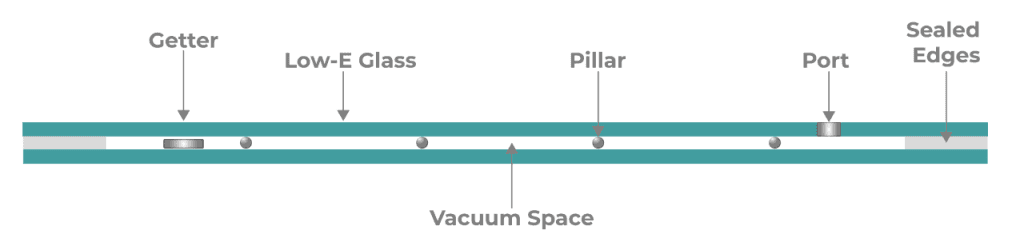
Vacuum insulated glass, or VIG, separates two glass panes with a vacuum cavity. This limits heat transfer while keeping the glass profile slim. The published construction illustration shows sealed edges, small support pillars, Low-E glass and other components; details vary between products and generations.
A technology with Australian connections
VGA’s earlier introduction traces development to the University of Sydney in the mid-1980s and commercial production in Japan in 1996. These dates are retained as background from that article, rather than a newly verified history.
Heritage retrofits
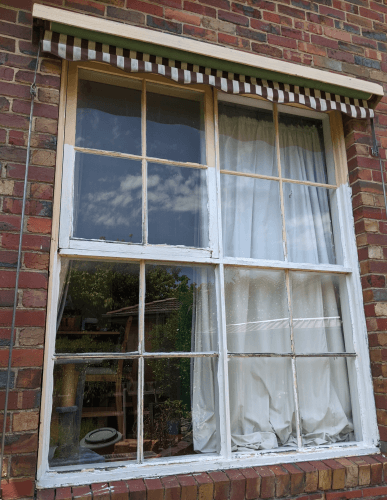
Existing timber windows can have limited rebate space. Slim vacuum glazing can be considered where retaining the original frame and appearance is important. Frame condition, available space and any project approvals need to be checked; conventional double glazing is not impossible in every retrofit.
Passive house and other performance-focused projects
Glazing is one part of a building’s insulation strategy. VIG can be considered alongside the frame, walls and other building elements. Vacuum glazing can also be combined with laminated glass or an insulated glass unit when a different overall profile is required.
Read the figures against the configuration
The earlier overview cited a U-value of 0.45. Other VGA material lists 0.4 for a particular glass configuration. These figures should not be treated as identical product specifications or whole-window ratings; request the report for the selected build-up.
Three ranges to explore
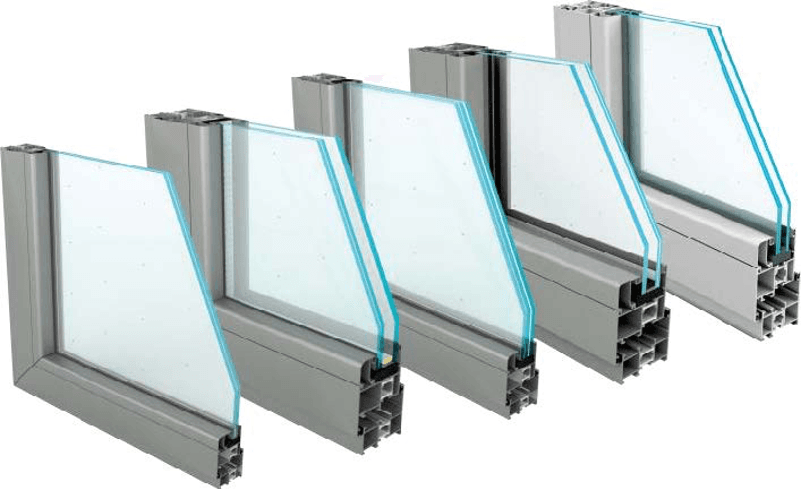
Heritage, Control and Optimum offer different options for retrofit, comfort and more demanding performance requirements. Start with the project brief and confirm the suitable configuration with VGA.
Product appearance, performance and safety depend on the selected configuration. Confirm current specifications and supporting documents with VGA before ordering.